
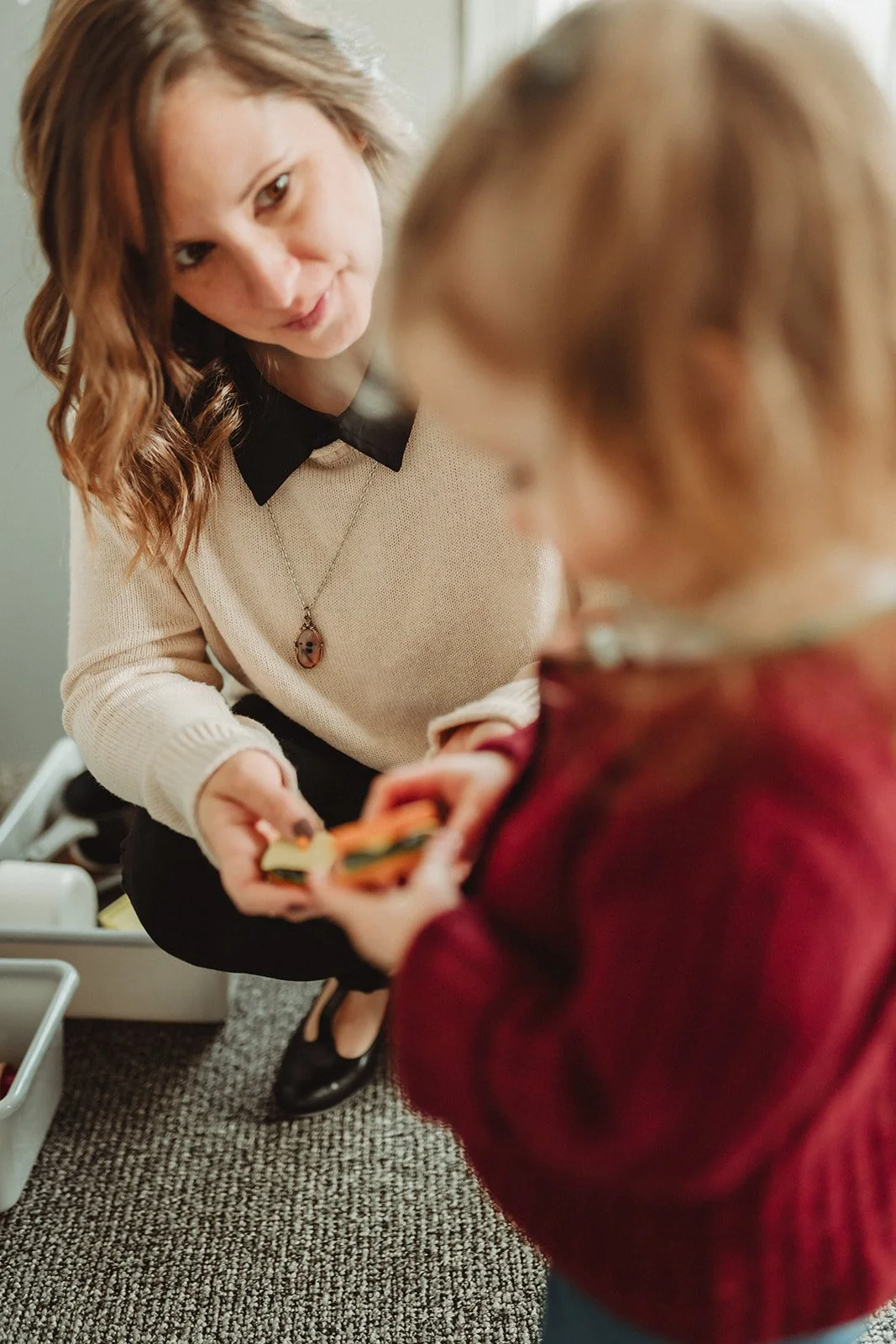
Family Love Lab
Inspired by Gottman’s Love Lab
Offering in-home observations of parent-child interactions. Personalized recommendations are provided based on clinician observations of your family’s everyday moments from meals to chores to play.
Grounded in Gottman’s Research
This service is built on decades of research showing that children who are emotion-coached develop stronger self-regulation, better academic outcomes, and more resilient relationships. The in-home format brings evidence-based coaching into the moments that matter most.
Meet the clinician offering the service.
Alyssa brings a breadth of experience working with children and families and birthed this idea as a way of offering personalized tools and resources, uniquely tailored to the family system they will be used within.
Every parent wants to feel connected to their child — and every child needs to feel understood. This service offers personalized, in-home support to help you respond to your child’s big emotions with confidence, build a deeper bond, and create a home where feelings are welcomed.
How it works
Intake interview
60-minute parent interview exploring your goals, your child’s temperament, and your own history with emotions. (in office or virtual)
In-home visits
2 visits of 90 minutes. The clinician observes everyday moments — meals, bedtime, play —
Support plan
A written summary of strengths and practical strategies tailored to your family.
Coaching sessions
Dedicated time to practice emotion coaching language, reflect on patterns, and build confidence. *Option for in home or in office.

“When parents acknowledge children’s feelings, it doesn’t spoil them — it gives them the emotional foundation to thrive.”
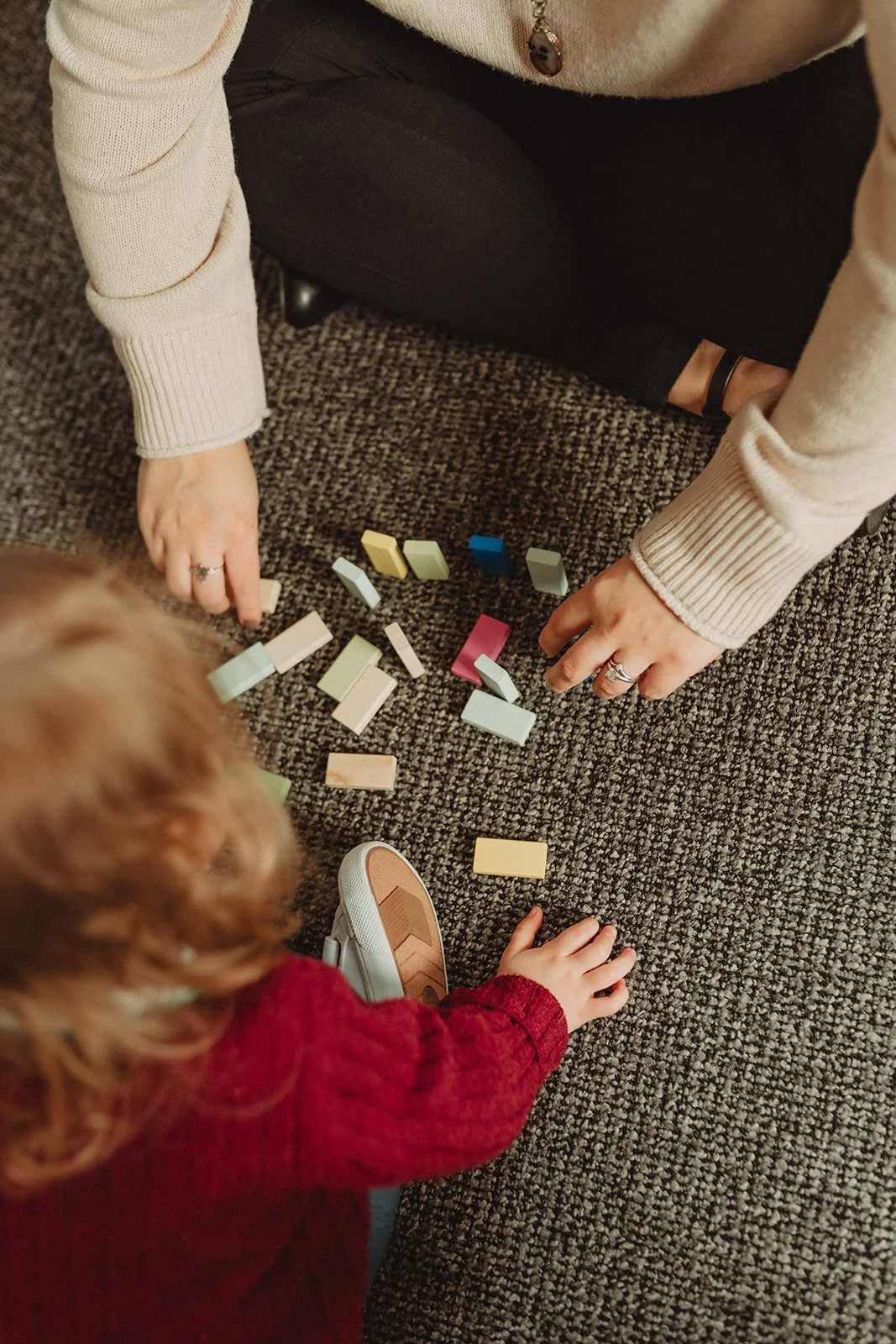
What we will observe
Bids for connection from child to parent
Co-regulation during distress
Repair after conflict or correction
Warmth, play, and positive engagement
Transitions and routine stress points
This service may help if you are
Navigating meltdowns or big emotions
Parenting a child with anxiety or sensory needs
Co-parenting after separation or divorce
Wanting to break generational patterns
Parenting through a family transition — new sibling, move, loss
A foster or adoptive parent
Feeling disconnected or stuck in negative cycles with your child